



















How Long Do All-on-4 Dental Implants Last?

All-on-4 implants can last for decades, and in many patients a lifetime, with good care. The fixed bridge they support usually needs maintenance and may need replacing after many years, depending on the material. If you are considering All-on-4 treatment in Turkey, it helps to think of the implants and the bridge as two parts with different lifespans.
This guide explains what affects that lifespan, how to extend it and what happens if a part needs repair.
Key facts
- The implants are designed to stay in place for decades with good care.
- The bridge is the part that wears over time and may need repair or replacement.
- Daily hygiene, regular check-ups and not smoking have the biggest effect on lifespan.
- Teeth grinding can shorten the life of the bridge; a night guard helps.
- Most problems can be repaired without replacing the implants.
- At Esvita, every permanent bridge is built on a milled titanium bar and fitted using precise 3D implant measurement.
What Is the Expected Lifespan of All-on-4 Dental Implants?
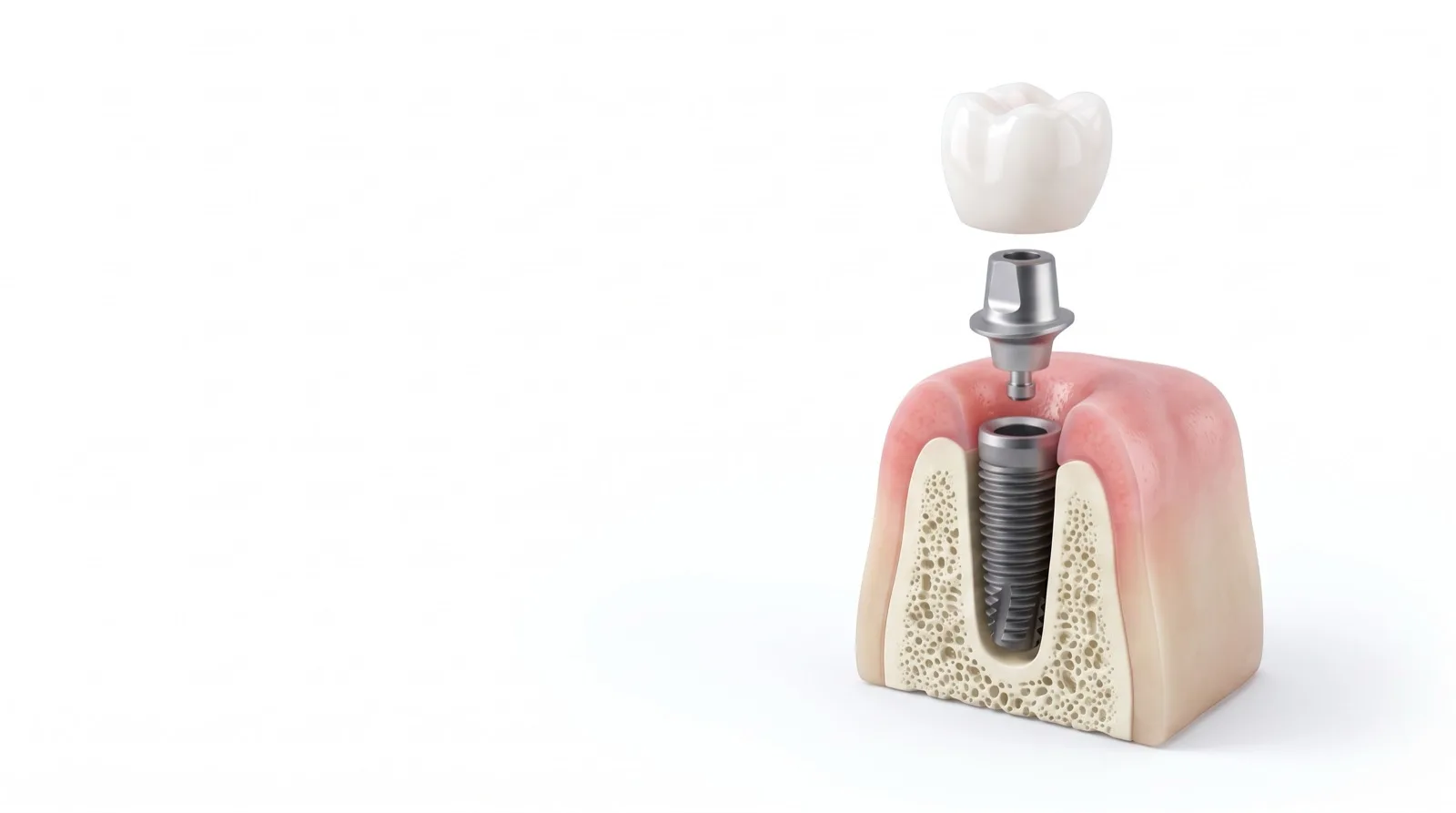
Implants and bridges age differently. The titanium implants fuse with the jawbone and are not subject to decay, while the bridge is used for chewing every day and gradually wears.
| Component | Typical lifespan with good care | What affects it |
|---|---|---|
| Titanium Implants | Decades, often a lifetime | Gum health, bone support, smoking, hygiene |
| Acrylic Full Arch Bridge | Often around 5 to 10 years | Wear, staining, grinding |
| Zirconia Full Arch Bridge | Often around 5 years | Grinding, impact, maintenance |
| Titanium Bar Hybrid Full Arch Bridge (used at Esvita) | Designed for long-term use. 20 years or more | Grinding, impact, maintenance |
Lifespan of the Dental Implants
Once an implant has fused with the bone, it is designed to last a lifetime with good care. Long-term follow-up studies show that most All-on-4 implants remain in function for ten years and beyond. In a study that followed 1,884 lower-jaw implants for 10 to 18 years, 93% of the implants and 98.8% of the bridges were still in use. The implants’ lifespan depends mainly on the health of the gums and bone around them.
Lifespan of the Fixed Dental Prosthesis
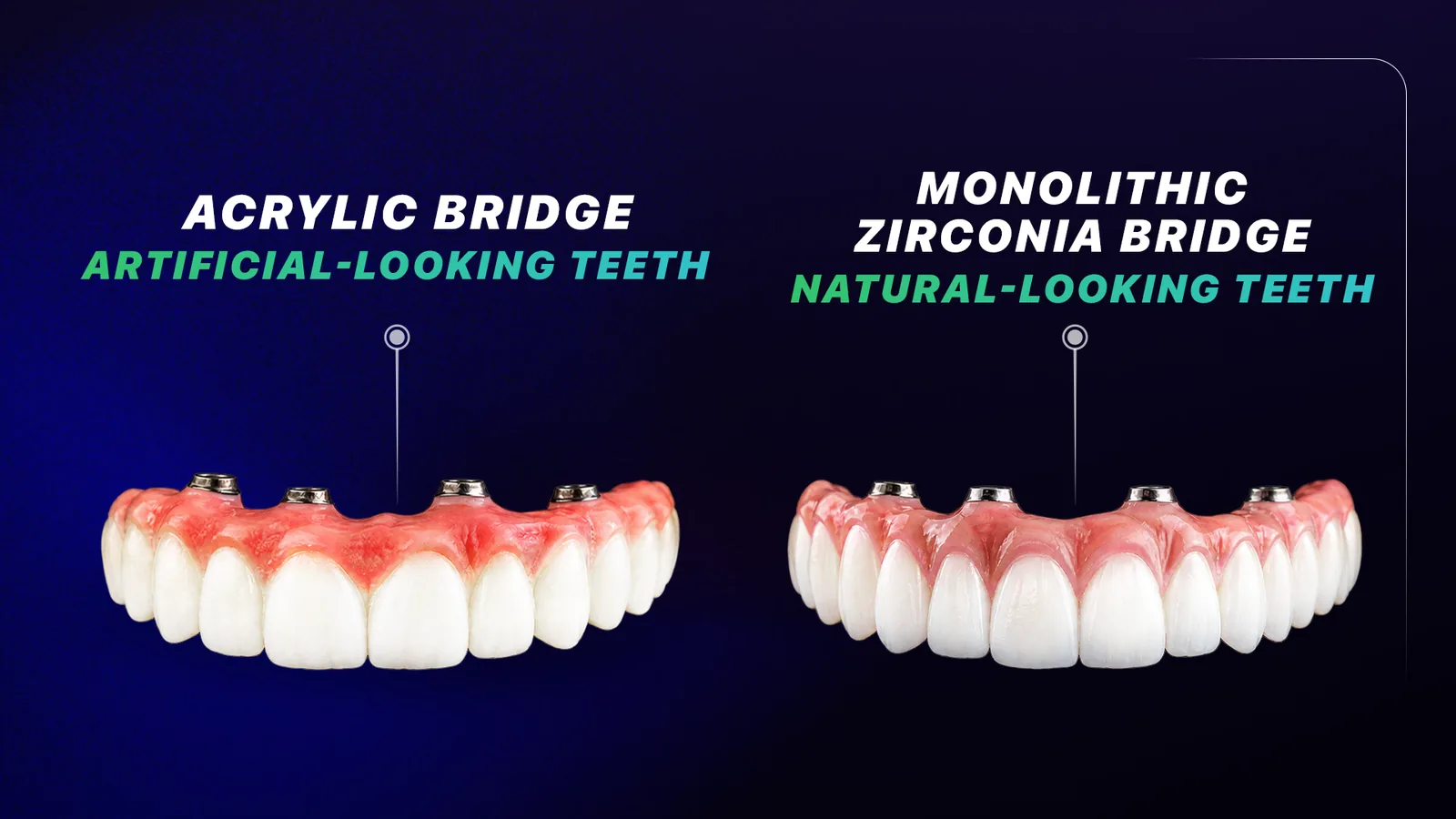
The bridge is the visible part of the treatment. Acrylic bridges are lighter and easier to repair but wear and stain faster. Zirconia bridges are more stain-resistant, but without titanium support they are fragile in full arches or long bridges.
At Esvita, every permanent bridge is built on a titanium bar milled from a solid block of the same grade of titanium used for the implants, with natural-looking zirconia teeth on top. The zirconia gives the look, and the titanium gives strength and durability. Titanium is one of the most body-compatible materials, works in harmony with the titanium implants and keeps the framework light, at around 40 grams. The connection points of the bridge are made using the implant manufacturer’s original licensed design files, so they match the implants exactly as the manufacturer designed them.
What Factors Affect How Long All-on-4 Implants Last?
Most of the factors that shorten implant life can be controlled by the patient and the dental team.
Daily Oral Hygiene and Gum Health
Plaque that stays around the implants causes gum inflammation. Over time, this can affect the bone that holds the implants. Thorough daily cleaning, especially beneath the bridge, is the single most important habit for longevity.
Bone Quality and Implant Stability
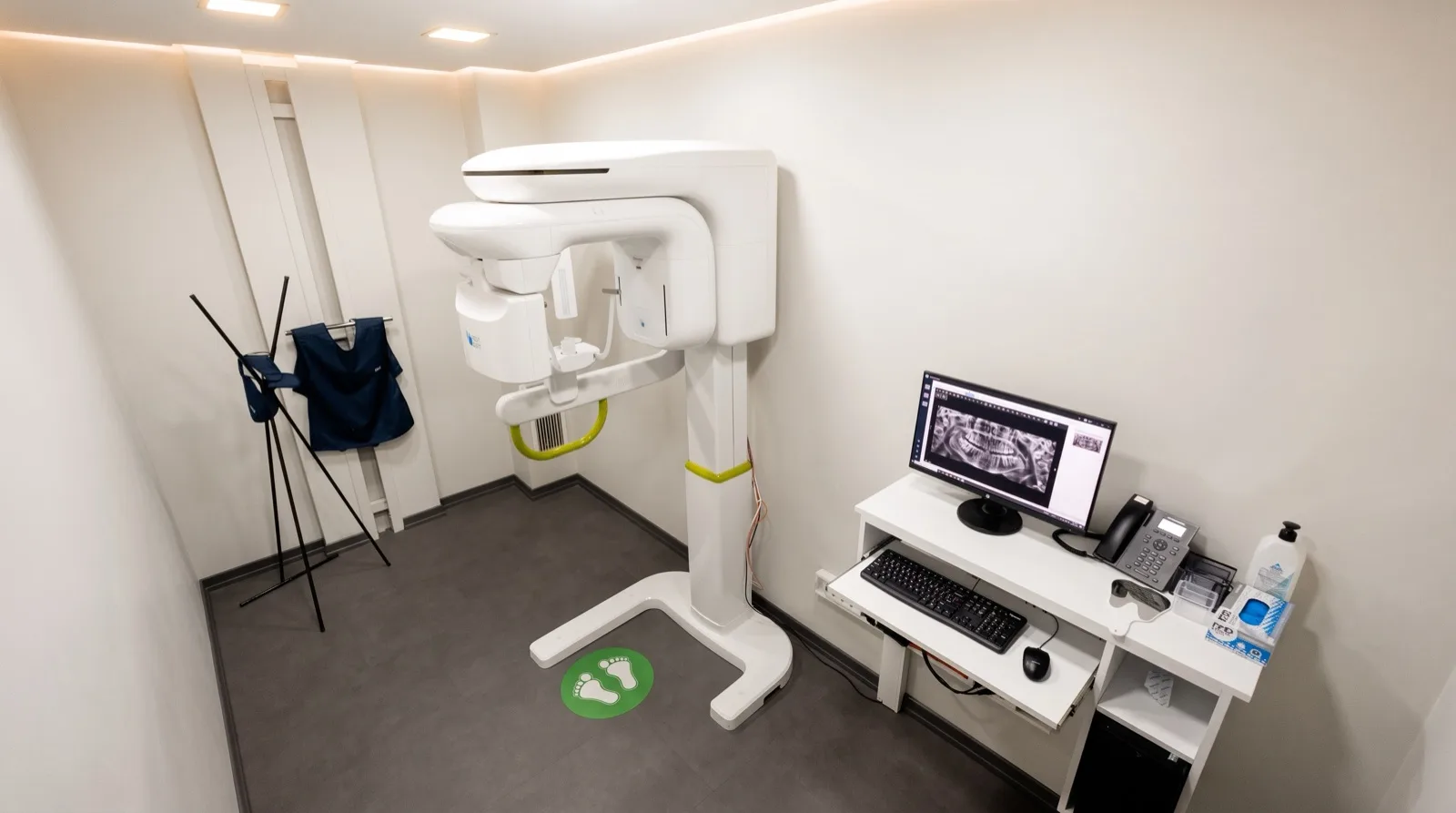
Implants placed in good-quality bone with careful planning have the most stable foundation. A CBCT scan before surgery helps your dentist position the implants where the bone is strongest. The healing period also matters: at Esvita, patients wear no fixed temporary teeth during the first months, because implants integrate best without pressure on them.
The fit of the final bridge matters too. Before your final bridge is made, Esvita measures the exact position and angle of each implant with iCam4D photogrammetry by Imetric. The camera records the implants in 3D with an accuracy of around 5 microns, directly from the implants rather than through impression material that can shrink or shift. A bridge that fits this precisely sits on the implants without putting uneven pressure on them.
Smoking, Teeth Grinding and Lifestyle Habits
Smoking reduces blood flow to the gums and is linked to higher rates of implant problems. Grinding or clenching puts extra force on the bridge and screws. Poorly controlled diabetes and skipped check-ups also play a role.
How Can You Extend the Lifespan of All-on-4 Dental Implants?
A good routine at home and regular professional care make the biggest difference. A full guide to caring for All-on-4 implants explains each step.
Proper Brushing and Cleaning Techniques
- Brush the bridge and gumline twice a day with a soft toothbrush
- Clean beneath the bridge daily with a water flosser, interdental brushes or implant floss
- Use a non-abrasive toothpaste to protect the bridge surface
- Wear a night guard if you grind or clench your teeth
Regular Dental Check-Ups and Professional Maintenance
Professional check-ups let your dentist clean areas you cannot reach, check the screws and look for early signs of inflammation. At some visits, the bridge may be removed for a deeper clean.
“The patients whose implants last longest are not always the ones with the best bone. They are the ones who clean under their bridge every day, do not smoke and come to their check-ups. Implants are very durable, but they need the patient as a partner.”
Esvita Clinic Head of Dentistry
What Are the Signs That All-on-4 Implants Need Attention?
Early signs are usually mild, which is why regular check-ups are important. Learning about All-on-4 implant risks can help you recognise them.
Loose or Damaged Prosthetic Components
A clicking sound, a slight movement in the bridge, a chipped tooth or a change in your bite can mean a screw has loosened or a part has worn. These are usually simple to fix when addressed promptly.
Persistent Gum Inflammation or Discomfort
Gums that bleed, swell or feel tender around an implant need professional attention. So do a bad taste, persistent bad breath or discomfort when chewing.
Have a question about your implants? Our dental team is here to help.
Can All-on-4 Dental Implants Be Repaired or Replaced?
Yes. One of the advantages of All-on-4 is that the bridge and the implants can be repaired separately.
Repairing or Replacing the Prosthetic Bridge
Chipped teeth, worn surfaces and loose screws can usually be repaired. If the bridge reaches the end of its life, a new one can be made and fitted on the existing implants without further surgery. Esvita’s bridges are screw-retained rather than cemented. Your dentist can remove the bridge for cleaning, checks or repairs without damaging it, and no cement is left under the gums, where it could irritate the tissue.
When Implant Replacement May Be Necessary
If an implant loses its bone support, it may need to be removed. After the area heals, a new implant can often be placed. Your dentist will assess the bone with imaging and plan the next step.
Do All-on-4 and All-on-6 Dental Implants Have Different Lifespans?
Research shows that All-on-4 and All-on-6 have similar success rates when the treatment is planned around each patient’s jawbone and bite. The comparison of All-on-4 vs All-on-6 dental implants explains how dentists choose between them.
Implant Number and Long-Term Stability
All-on-6 spreads chewing forces across six implants, which can help in softer bone or for patients with a strong bite. All-on-4 uses angled rear implants to make the most of the available bone. The right choice depends on your anatomy, not on the number alone.
Why Maintenance Matters for Both Treatments
Whichever option you have, the same habits protect it: daily cleaning, regular check-ups, a night guard if needed and not smoking.
Are All-on-4 Implants a Long-Term Alternative to Dentures?
Yes. Removable dentures rest on the gums and often need relining or replacing as the jawbone shrinks over time. All-on-4 implants are anchored in the bone, which helps preserve it, and the fixed bridge does not move when you eat or speak. Your dentist can explain all dental implant treatment options for your situation.
Frequently Asked Questions About All-on-4 Lifespan
Can All-on-4 Dental Implants Last a Lifetime?
The implants themselves can last a lifetime with good care and healthy gums. The bridge will usually need maintenance and may be replaced at some point after decades.
How Often Does an All-on-4 Bridge Need Replacing?
It depends on the material and your habits. Acrylic bridges often last around 5 to 10 years, while zirconia bridges often last around 5 years. Regular check-ups help extend the life of either type. At Esvita, the zirconia teeth sit on a titanium bar, which gives the bridge long-term strength.
Does Smoking Shorten the Lifespan of All-on-4 Implants?
Yes. Smoking slows healing and is linked to a higher risk of gum and bone problems around implants. Stopping before and after treatment improves your long-term results.