



















How Long Do Dental Implants Last?
Key facts
- The implant itself, the titanium post in the jawbone, can last for decades and often for life when it is well looked after.
- A 2019 review estimated 10-year implant survival at 96.4%, or 93.2% in an analysis accounting for missing follow-up data. [1]
- The crown or bridge attached to the implant is exposed to daily chewing forces and may need replacing after 10 to 15 years or more. [3]
- Gum health, bone support, smoking and teeth grinding are the biggest factors in how long implants last.
- Daily cleaning and regular dental check-ups are the most effective ways to protect your implants.
What Is the Average Lifespan of Dental Implants?
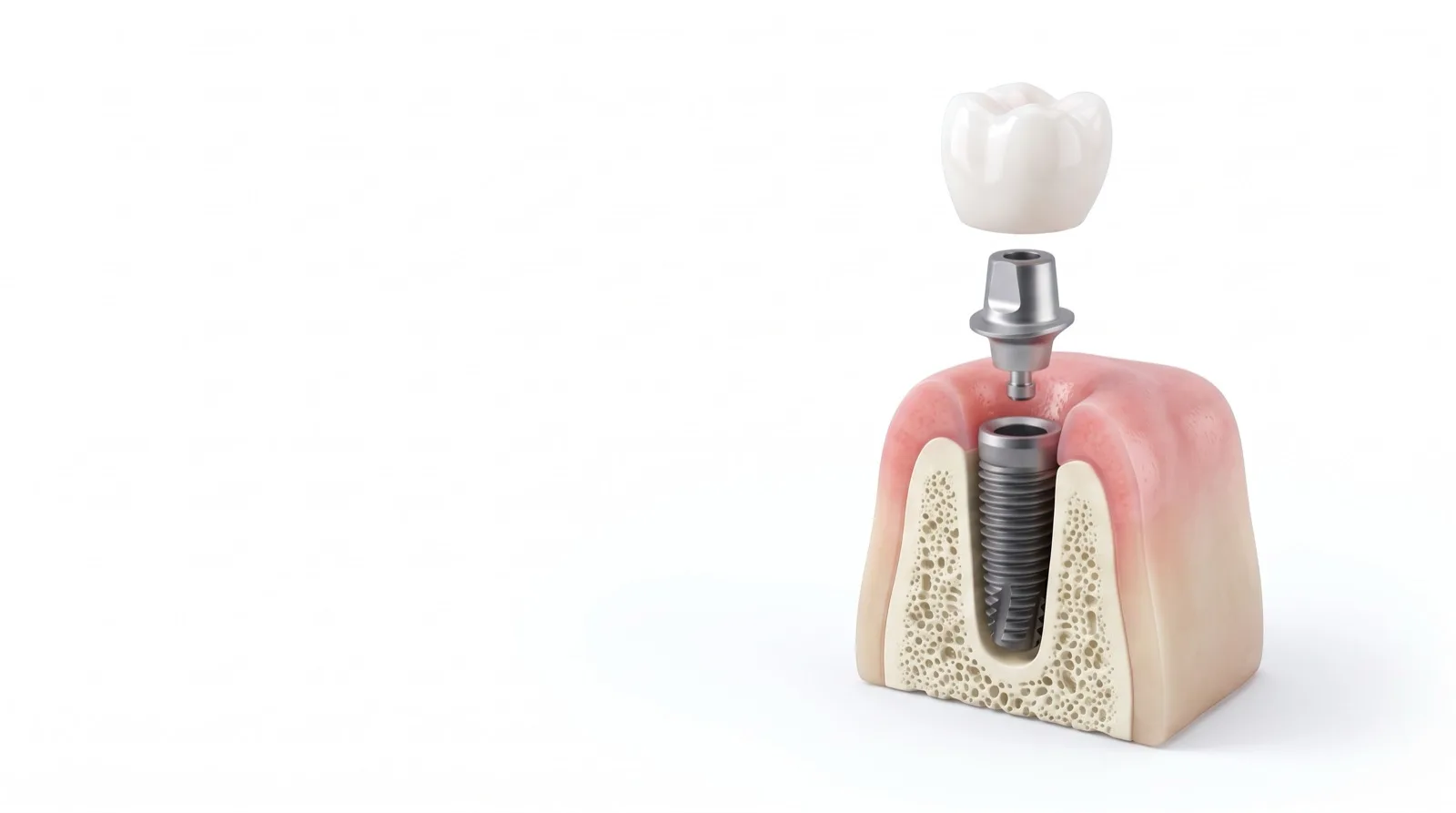
When people ask how long dental implants last, they are usually asking about two different parts. The implant is a small titanium post placed in the jawbone, where it fuses with the bone and acts as an artificial root. The crown, bridge or full-arch prosthesis is the visible tooth part that sits on top. With good care, dental implant treatment is designed to be a long-term solution, and many implants stay in place for the rest of the patient’s life.
Dental Implant Fixtures vs Crowns and Bridges
| Component | What it does | Typical lifespan with good care |
|---|---|---|
| Implant fixture (titanium post) | Replaces the tooth root and holds the prosthesis | Often decades, can last a lifetime |
| Abutment | Connects the implant to the crown or bridge | Usually long-lasting, can be replaced if needed |
| Crown or bridge | The visible tooth surface you chew with | Often 10 to 15 years or more, depending on material and bite |
The implant fixture is protected inside the bone, while the crown or bridge takes the daily wear of chewing. This is why the prosthesis usually needs attention before the implant does.
Can Dental Implants Last a Lifetime?
Yes, many can. Once an implant has fully fused with the jawbone, there is nothing inside it that wears out in the way a natural tooth can decay. Its long-term success depends on the health of the gum and bone around it. If these stay healthy, an implant can last a lifetime. Esvita Clinic offers a lifetime guarantee on its implants.
What Factors Affect Dental Implant Longevity?
Gum Health and Oral Hygiene
Peri-implantitis is an inflammatory disease around an implant that involves loss of supporting bone. Plaque build-up, a history of gum disease and missed maintenance visits are important concerns. Daily cleaning and professional reviews help reduce the risk. [2]
Bone Support and Implant Placement
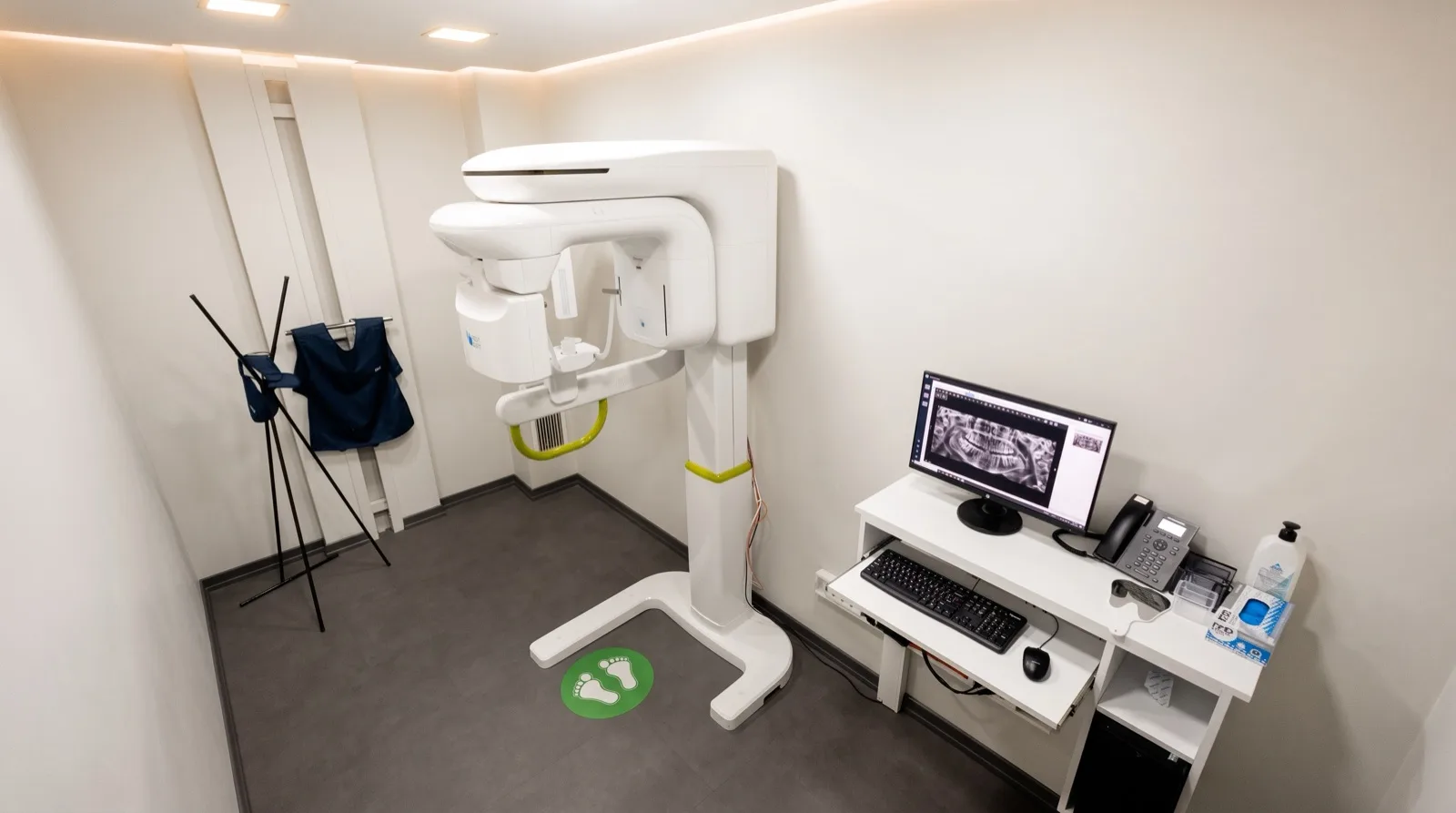
An implant needs enough healthy bone around it. Before treatment, a 3D CBCT scan shows the volume and quality of the jawbone so that the implant can be placed in the right position and at the right angle. When bone is lacking, grafting may be recommended. Careful planning at this stage has a direct effect on how long the implant lasts. If you are wondering how the procedure feels, our guide on whether dental implants are painful explains what to expect.
Smoking, Teeth Grinding and Other Risk Factors
Smoking reduces blood flow to the gums and slows healing, which raises the risk of implant problems both early and later on. Teeth grinding or clenching puts heavy forces on implants and can damage crowns, loosen screws or overload the bone. Poorly controlled diabetes and some medications can also affect healing and long-term stability. [3]
How Can You Make Dental Implants Last Longer?
Daily Cleaning and Flossing
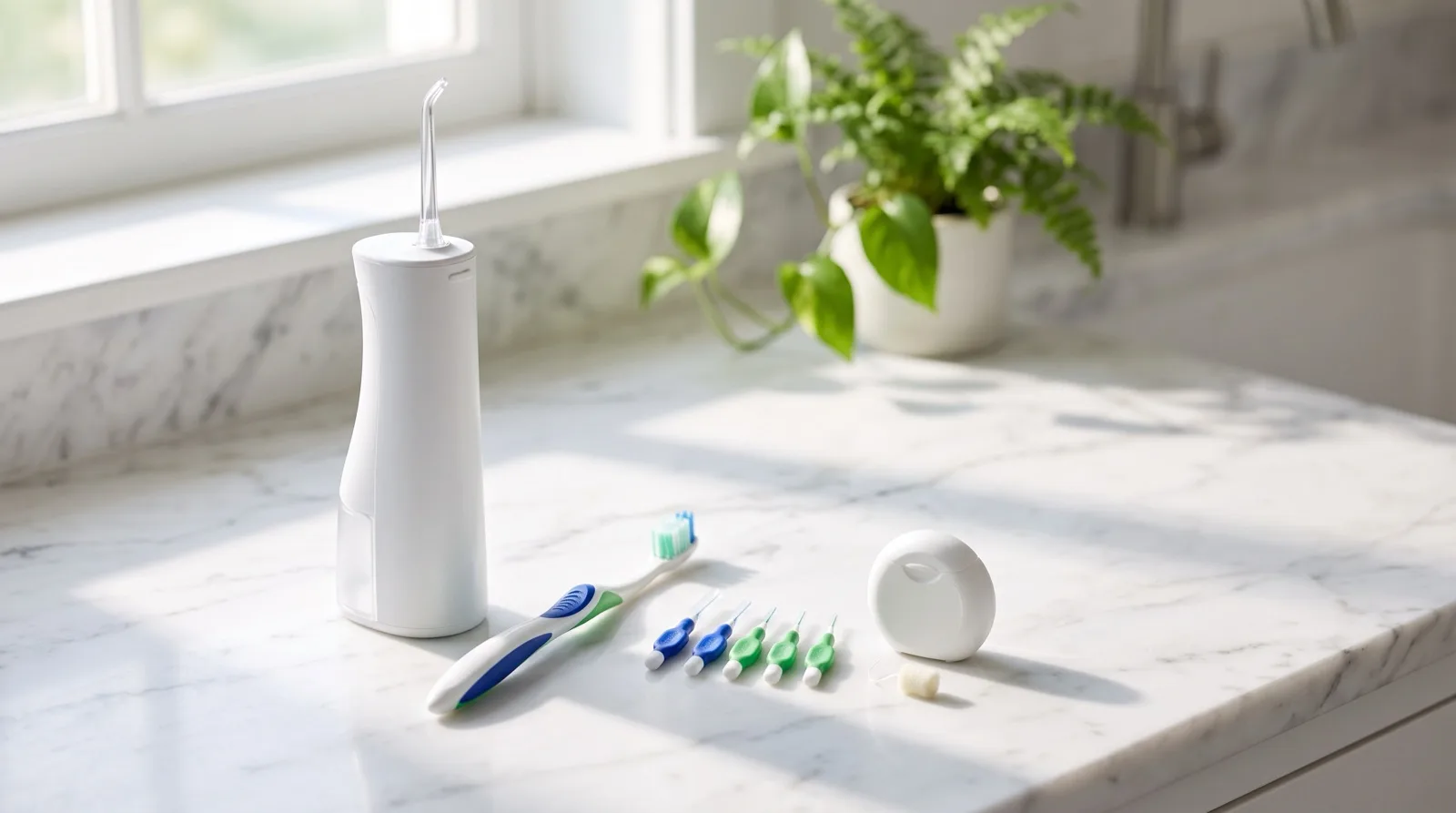
Brush twice a day with a soft toothbrush and clean between your teeth every day. Interdental brushes, implant floss or a water flosser help remove plaque from around the implant where a toothbrush cannot reach. For full-arch bridges, cleaning underneath the bridge is especially important.
Routine Dental Check-Ups
Check-up and professional cleaning intervals should be based on your gum health, implant restoration and risk factors. A three-to-six-month schedule is often used, with your dentist deciding the right interval. [4]
Managing Gum Disease and Excessive Bite Forces
If you have a history of gum disease, it needs to be kept under control before and after implant treatment. If you grind your teeth, a night guard can protect your implants and crowns from excessive force while you sleep.
What Are the Signs That a Dental Implant Needs Attention?
Bleeding, Swelling and Persistent Discomfort
Gums around an implant should look and feel like healthy gums. Bleeding when brushing, redness, swelling, a bad taste or ongoing discomfort can be early signs of inflammation. These problems are easier to treat when they are caught early. [2]
Implant Movement or Prosthetic Damage
A fully healed implant should not move. If a crown or bridge feels loose, it is often the screw or the prosthesis that needs attention rather than the implant itself, but it should always be checked. Chips or cracks in the crown should also be assessed so that they do not affect the bite.
Do Implant Crowns and Bridges Need Replacement?
How Long Can Implant Crowns Last?
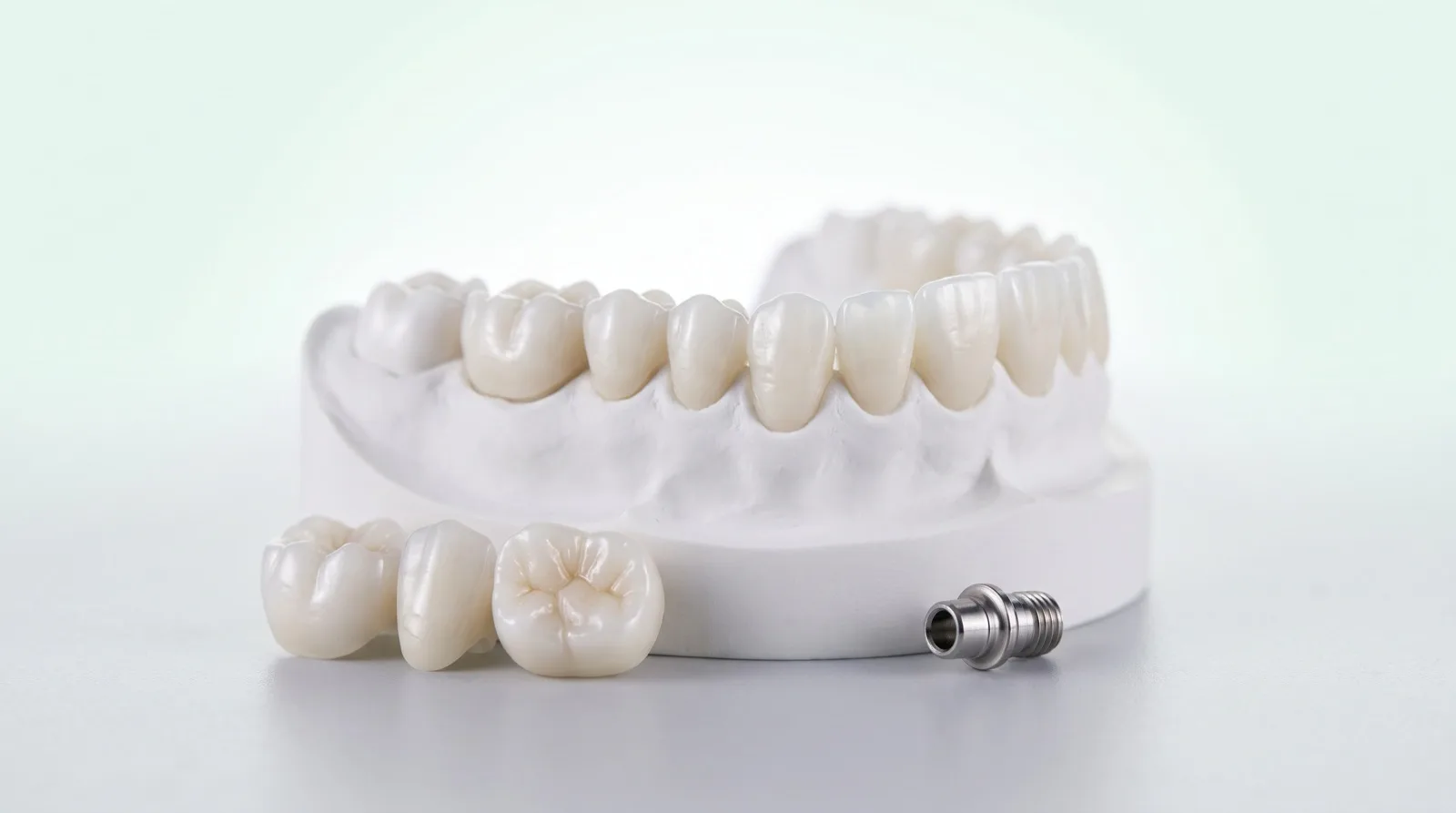
Implant crowns and bridges wear over time and may need repair or replacement before the implant fixture. Royal College of Surgeons guidance notes that prosthetic refurbishment may need consideration after about 10 to 15 years, depending on the patient and the restoration. [3]
Factors That Affect Prosthetic Durability
The material plays a role. Zirconia and E-max ceramics are strong and resist staining, while full-arch bridges supported by a titanium framework are designed to withstand chewing forces over many years. Bite pattern, grinding habits, diet and how well the prosthesis is cleaned also affect how long it lasts.
What Happens If a Dental Implant Fails?
Possible Causes of Implant Failure
Early failure, within the first months, usually means the implant did not fuse with the bone. This can be linked to infection, smoking, excessive pressure during healing or poor bone quality. Late failure, years after treatment, is most often caused by peri-implantitis or overloading from grinding.
Assessment and Replacement Options
If an implant fails, the dentist first examines the area and takes a 3D scan to understand why it happened. There is no single standard treatment: the right approach depends on what the examination and scan show.
Once the cause has been identified and treated, the failed implant can usually be replaced with a new one. The timing and the treatment plan are decided for each patient individually. Addressing the underlying cause, such as gum health or grinding, is always part of this plan.
Dental Implant Maintenance for UK Patients Treated in Turkey
Arranging Dental Reviews After Returning Home
After treatment abroad, it is a good idea to stay registered with a local dentist in the UK for routine hygiene visits and check-ups. Esvita Clinic’s medical consultants remain in touch with patients by WhatsApp and phone after they return home, and an online meeting with the doctor can be arranged on request. Before choosing a clinic, it is also worth reading about dental implant safety in Turkey and the questions to ask before you travel.
Keeping Treatment Records and Implant Details
Ask your clinic for your treatment records, including your CBCT scan, the implant brand and the components used. Recognised implant systems such as Straumann, Nobel Biocare, Osstem and MegaGen are widely known, which makes it easier for any dentist to identify your implants and order compatible parts in the future.
“Implants rarely fail because of the titanium. When problems appear years later, the cause is usually the gum around the implant. Patients who clean carefully every day and keep their check-ups give their implants the best chance of lasting.”
Esvita Clinic Head of Dentistry
Frequently Asked Questions About Dental Implant Lifespan
Do Dental Implants Last Forever?
The implant itself can last a lifetime when the surrounding gum and bone stay healthy. The crown or bridge on top is more likely to need replacing at some point because of everyday wear.
Can Dental Implants Fail After 10 Years?
It is possible but uncommon. Late problems are usually caused by gum infection around the implant, heavy grinding or changes in general health. Regular check-ups help detect these issues early, when they are easier to manage.
How Often Should Dental Implants Be Checked?
Your dentist should set the interval according to gum health and risk. Reviews and professional cleaning are often arranged every three to six months, and some patients need closer monitoring.
Sources
Sources accessed on 28 October 2026. Reference numbers in the text link to the source pages.
2. European Federation of Periodontology. Peri-implant diseases.
4. Cambridge University Hospitals NHS Foundation Trust. Dental implants in restorative dentistry.