Let's Have a Chat

 menu
menu



Key facts
For most patients, the results of hair transplant treatment are long-lasting. Once transplanted follicles have settled in their new location and started growing, they generally behave like the hair they came from. This is why a well-planned transplant is often described as a permanent solution. There is, however, an important difference between transplanted hair and the rest of your natural hair.
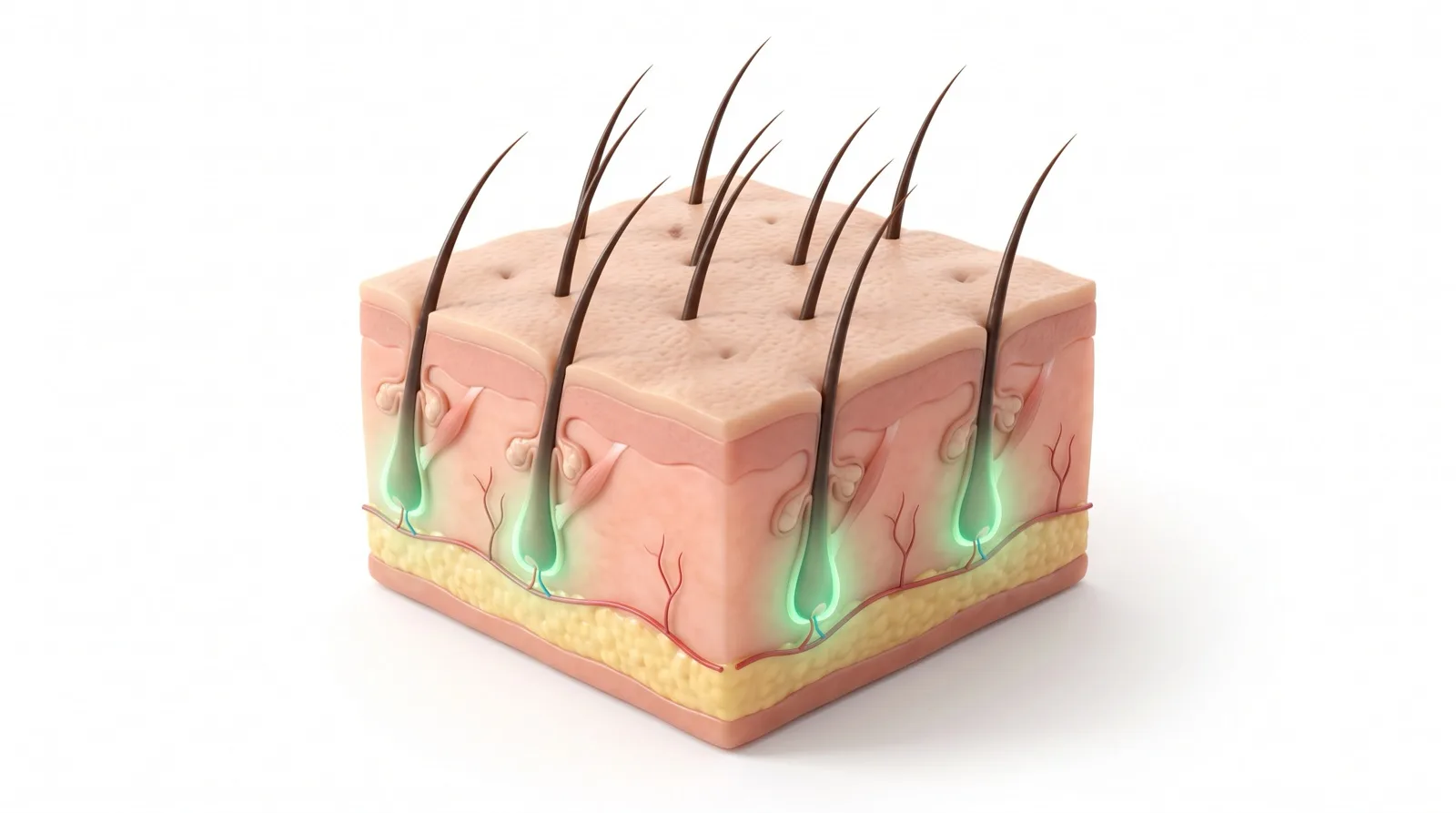
In pattern hair loss, follicles on the top and front of the scalp are sensitive to DHT, a hormone that gradually shrinks them. Follicles at the back and sides of the head are usually much less sensitive. During a transplant, these resistant follicles are moved to thinning areas, and they tend to keep that resistance after they are moved. Once they have survived the first weeks of healing, they can continue producing hair for many years.
The transplant only replaces hair in the areas that were treated. Your original hair around and between the grafts can still thin if pattern hair loss is progressing. Over time, this can change the overall look of your hair even though the transplanted hair itself remains in place.[1]
The longevity of transplanted hair depends largely on the donor area. Hair taken from the most stable part of the scalp tends to last longest. Hair taken from the edges of the donor zone, where some thinning may develop later, may be less durable. This is why careful donor selection is one of the most important parts of planning.
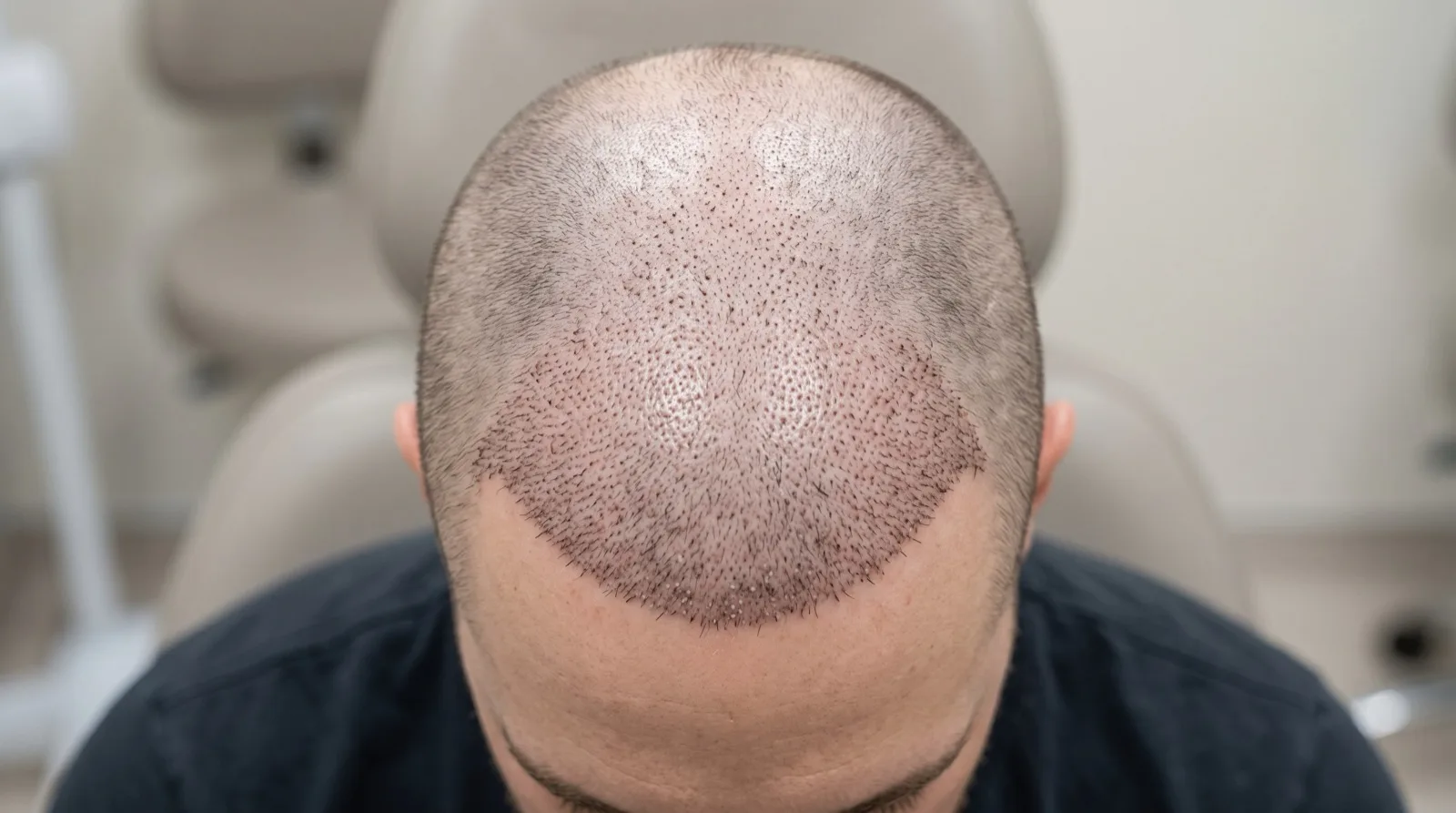
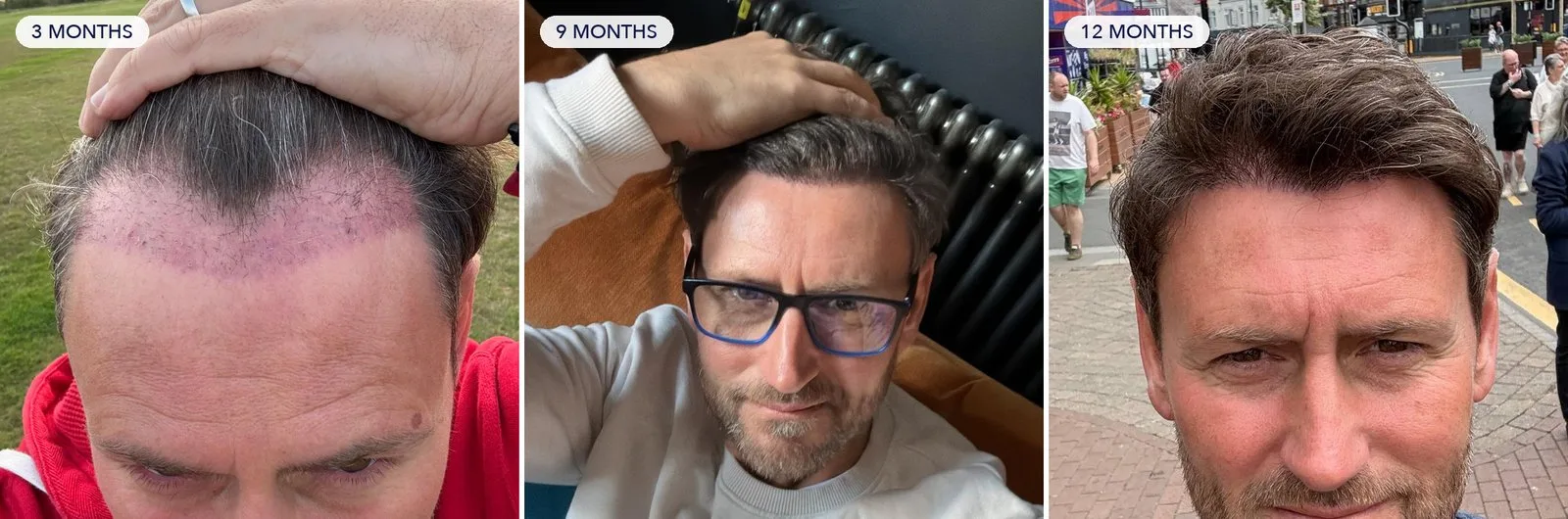
After surgery, most transplanted hairs shed within the first weeks. This is normal: the follicle stays under the skin and enters a resting phase. New growth usually starts around the third or fourth month, becomes noticeable between six and nine months, and matures over 12 to 18 months. From then on, transplanted hair follows the normal cycle of growing, resting and renewing.[2]
Younger patients may still have significant hair loss ahead of them. A transplant done too early, or designed without considering future loss, may look less natural years later when surrounding hair thins. A good plan takes your age and family history into account and creates a hairline that will still suit you in the future.
Strong, dense donor hair gives better coverage and more stable long-term results. The way grafts are extracted, stored and implanted also matters, because grafts that are handled carefully have a better chance of surviving. Esvita Clinic guarantees graft survival, with the exception of patients who have underlying conditions such as hormonal disorders or alopecia areata, where grafts may not take. This is explained clearly before treatment and the patient’s consent is taken.
Thyroid problems, hormonal imbalances, iron deficiency, autoimmune conditions and some medications can affect hair growth. Smoking, poor nutrition and high stress levels may also influence healing and hair quality. These factors should be discussed during your assessment.[3]
| Time after surgery | What to expect |
|---|---|
| 2 to 8 weeks | Temporary shedding of transplanted hairs |
| 3 to 4 months | New hair starts to appear |
| 6 to 9 months | Visible improvement in density |
| 12 to 18 months | Final result, with mature texture and thickness |
| 5 years and beyond | Transplanted hair stays stable, surrounding natural hair may change |
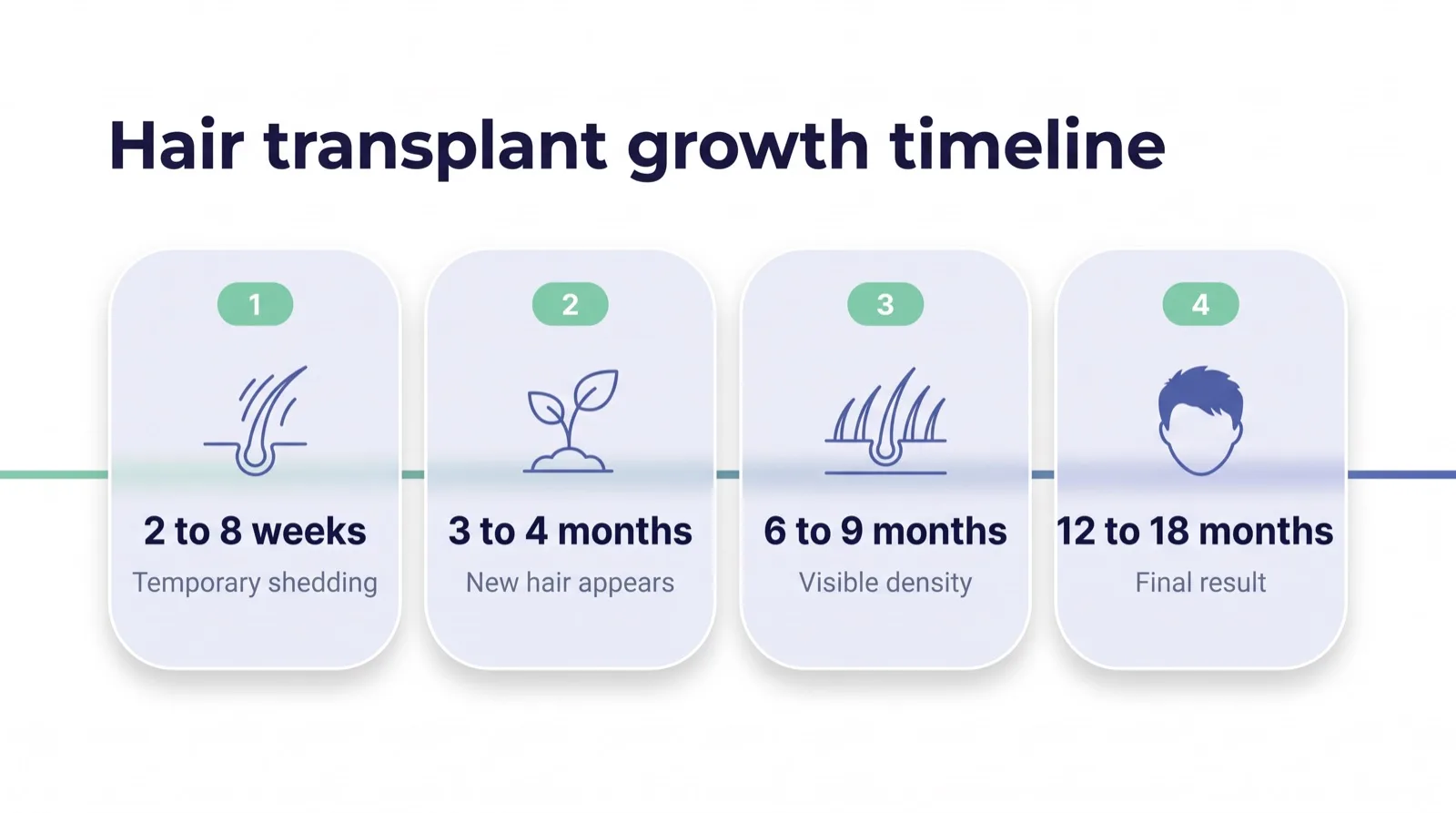
By the end of the first year, most patients see the majority of their result. Hair continues to thicken and improve in texture for a few more months, particularly in the crown.
Five years after surgery, transplanted hair usually remains stable. Any changes at this stage are more often caused by thinning of the surrounding natural hair than by loss of the transplanted grafts.
Like all hair, transplanted hair may become slightly finer with age. In the long term, the overall appearance depends on how well both transplanted and natural hair are maintained.
Transplanted hair is far less likely to be lost than the original hair in thinning areas. However, if the donor hair itself was not fully resistant, or if a condition affecting the whole scalp develops, some transplanted hair may thin as well.
If pattern hair loss continues, gaps can appear between or behind transplanted areas. This can make the result look less dense, even though the grafts are still growing.
If you notice sudden shedding, patchy hair loss, scalp irritation or thinning that seems to be speeding up, it is worth having a medical assessment. Some causes of hair loss can be treated once they are identified.
FUE describes how individual follicular units are taken from the donor area. Sapphire blades and DHI implanter pens concern recipient-site creation or graft placement, so they are not three separate ways of harvesting hair. Longevity depends on suitable donor hair, careful handling and a plan that allows for future hair loss.[4] At Esvita Clinic, a single DHI session can transplant up to 4,000 grafts, a Sapphire FUE session up to 5,500 grafts, and a double DHI session up to 7,500 grafts in one trip when the donor area allows. These are clinic capacities, not targets for every patient; the safe number depends on donor assessment.
Taking too many grafts, or taking them from unstable zones, can leave the donor area thin and reduce long-term results. Responsible planning protects the donor area for the future.[1]
The first weeks after surgery are critical for graft survival. Careful washing, sleeping in the right position and avoiding certain activities all help. Our guide to hair transplant aftercare explains each stage in detail.
Some patients are advised to use medical treatments or PRP to help protect their natural hair. Any medication should be discussed with a doctor, as suitability depends on your health and hair loss type.
At Esvita Clinic, patients have intensive online check-ins during the first month after surgery, followed by monthly follow-ups. Sharing regular photos helps the team monitor growth and advise you if anything needs attention.
A second procedure may be considered if hair loss has progressed, if more density is wanted, or if a larger area needs coverage than one session can provide. It is usually planned only after the first result has fully matured.
The donor area holds a limited number of follicles. Each procedure uses part of this supply, so future needs should be considered from the start.
“A hair transplant moves hair that is resistant to pattern hair loss, so the grafts themselves tend to stay. What we plan for is the natural hair around them. That is why we design the hairline with the patient’s age and future hair loss in mind.”
Esvita Clinic Head of Hair Restoration
Transplanted hair can last for life in many patients, because it comes from follicles that are naturally resistant to pattern hair loss. Natural hair in untreated areas may still thin over time.
It is uncommon for transplanted hair to fall out after this long. Some thinning with age is possible, and conditions affecting the whole scalp can affect transplanted hair too.
Not everyone does. Whether you need another procedure depends on your age, how your hair loss progresses and the coverage you want. Managing ongoing hair loss can reduce the need for further surgery.
Sources accessed on 28 October 2026. Reference numbers in the text link to the source pages.
1. International Alliance of Hair Restoration Surgeons. Hair transplant surgery: the fundamentals.
2. NHS. Hair transplant: costs, suitability, recovery and risks.
3. International Society of Hair Restoration Surgery. A guide to hair transplant for women.
4. International Society of Hair Restoration Surgery. A guide to surgical hair restoration treatments.

As our basic philosophy, we prioritize the long-term happiness and
satisfaction of our patients above all else.


Contact with our experts and learn about your options! Or fill the form right side and we will call you