Let's Have a Chat

 menu
menu


Key facts
Dental implant treatment in Turkey can be safe when care is appropriate to the patient. Clinics offering implant treatment should assess your medical history, oral health and available bone, explain the risks and plan enough healing time.
Clinics that compete mainly on price often cut corners in exactly these areas. At Esvita Clinic, every implant case is planned on a CBCT scan before surgery.
Turkey has one of the largest dental tourism sectors in Europe. It includes highly experienced clinics with modern equipment, as well as providers that compete mainly on price. Private clinics in Turkey must be licensed by the Ministry of Health, and dentists must hold a recognised dental degree and be registered with their regional dental chamber, part of the Turkish Dental Association. Beyond these basics, standards vary from one clinic to another, so it is worth checking each provider individually rather than judging “Turkey” as a whole.
The main benefits for UK patients are lower treatment costs, short waiting times and the ability to complete treatment in a planned number of visits. The surgical risks are the same as anywhere else. What changes with treatment abroad is distance: you will spend most of your healing time at home, away from the team that placed your implants. This is why planning, communication and follow-up matter as much as the surgery itself.
A 2019 systematic review of 18 studies estimated 10-year implant survival at 96.4%. When the authors accounted for patients lost to follow-up, the estimate was 93.2%. These are pooled research results, not Esvita Clinic success rates or a guarantee for an individual patient. [1]
Ask who will actually perform your surgery and who will design your final teeth. Implant placement is often carried out by an oral surgeon or a dentist with advanced implant training, while the final crowns or bridges are planned by a prosthodontist. It is reasonable to ask how many implant cases the team treats each year and to see examples of similar cases.
A reputable clinic will be open about its Ministry of Health licence, the implant brands it uses and the dental laboratory that makes your teeth. Ask whether the implants come in sealed, traceable packaging and whether you will receive the product details after treatment.
Independent review platforms such as Google and Trustpilot give a broader picture than testimonials on a clinic’s own website. Read the negative reviews as well as the positive ones, and look at how the clinic responds when something has gone wrong. Esvita Clinic has more than 1,000 patient reviews across Google, Trustpilot, Yandex and other independent platforms, with ratings in the Excellent range.
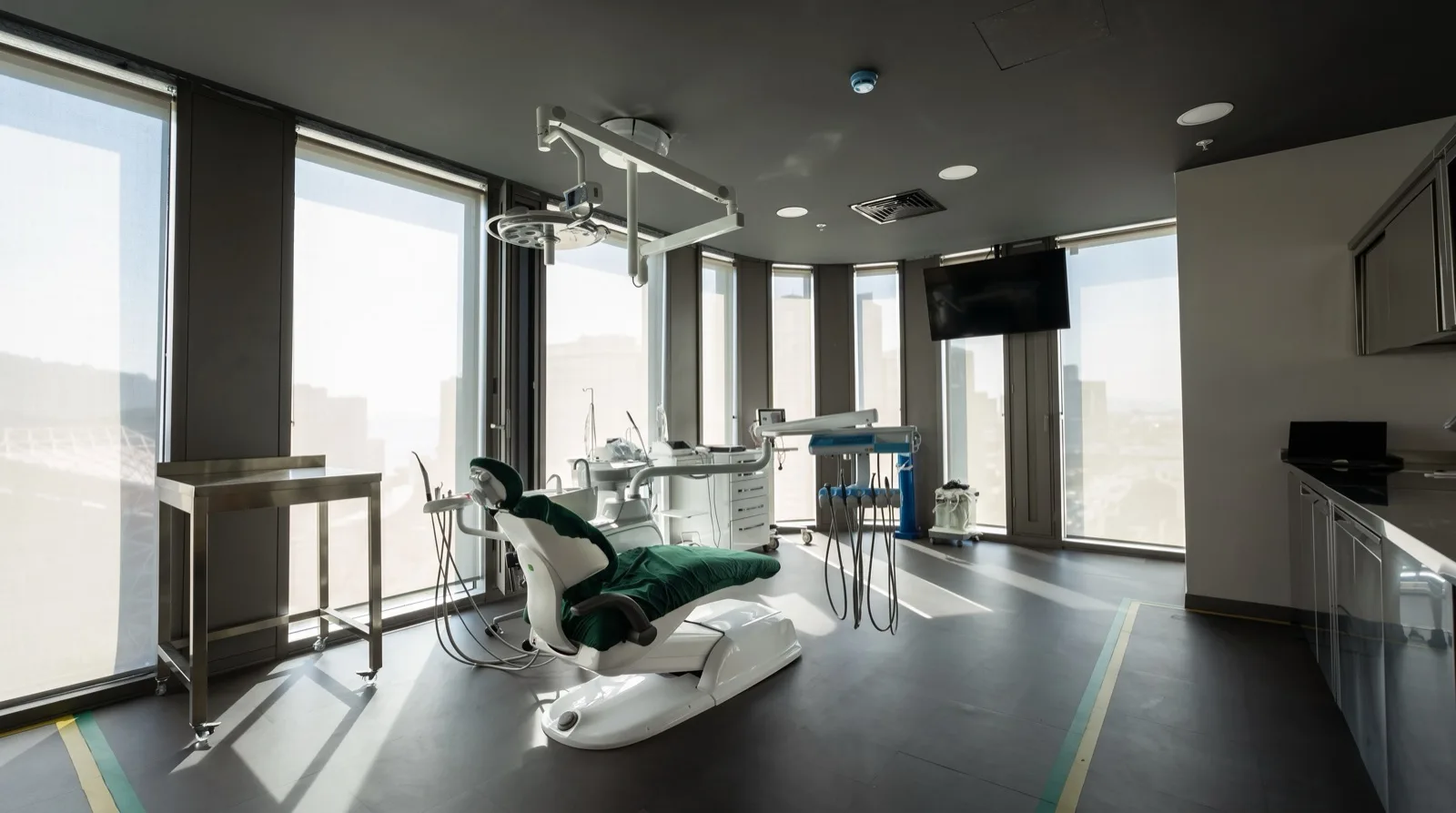
Surgical instruments should be cleaned and heat-sterilised, commonly in an autoclave, and single-use items should be used for one patient only. Ask the clinic how it checks sterilisation and keeps implant components traceable. [3]
At Esvita Clinic, implant surgery takes place in three dedicated surgical rooms built to operating theatre standards. In addition to instrument sterilisation, each room is disinfected with ultraviolet (UV) light every night, so the whole room is treated, not only the instruments.
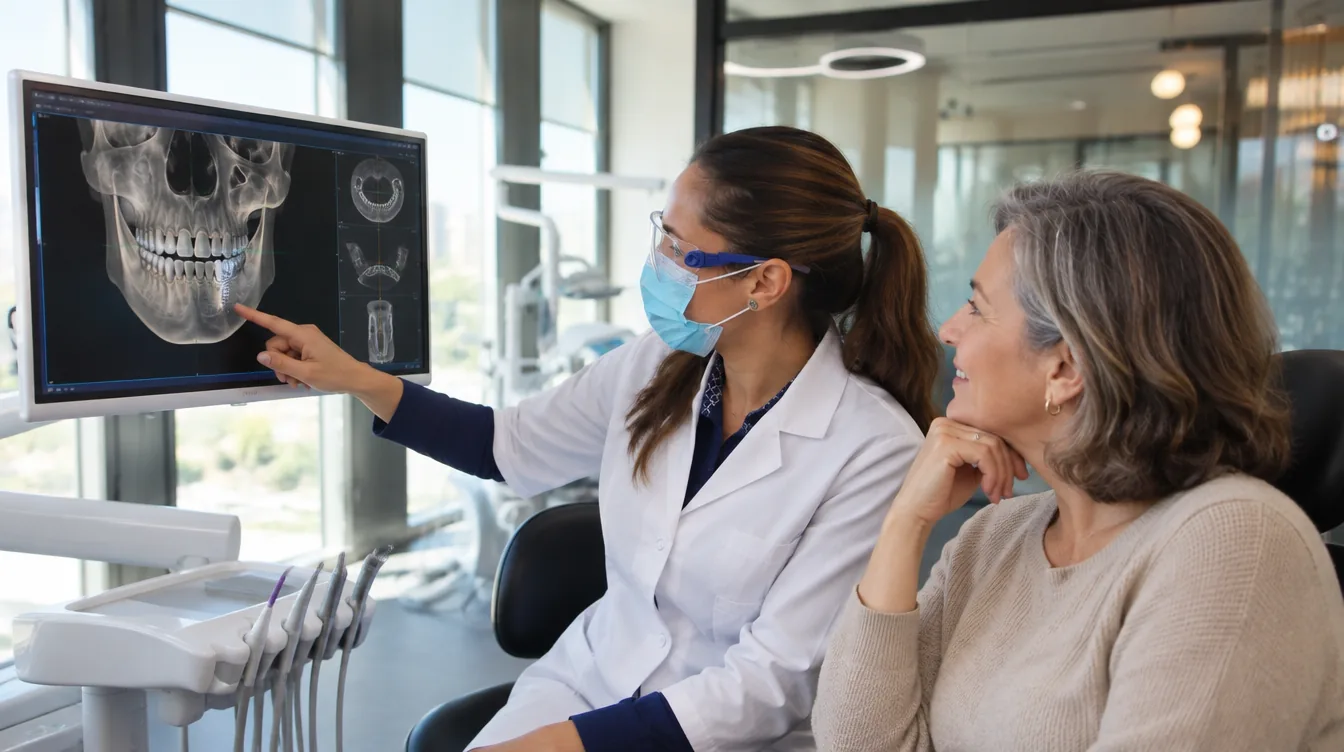
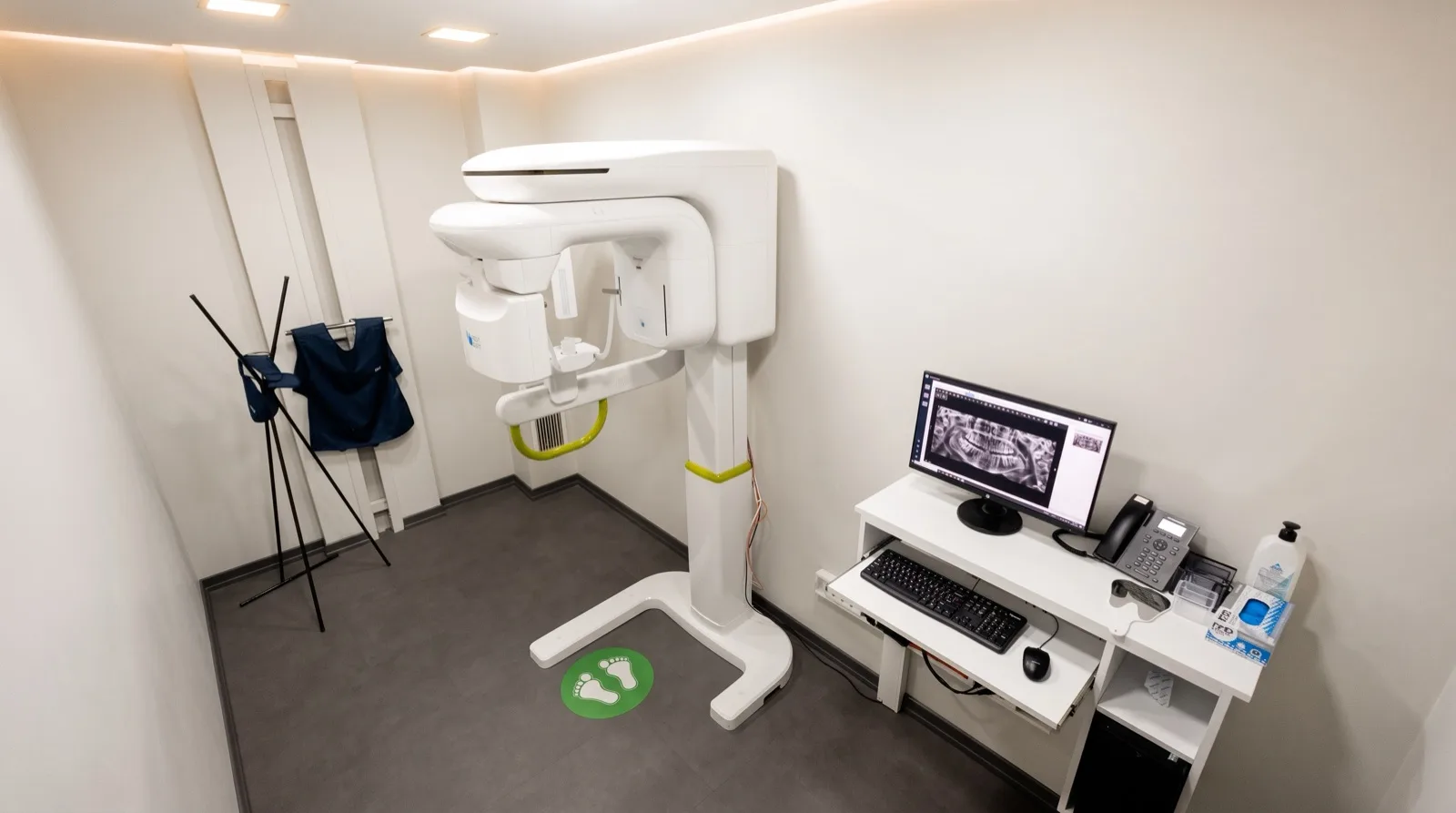
At Esvita Clinic, implant planning includes a 3D CBCT scan. It shows the height and width of the jawbone and the relationship to nerves and sinuses, helping the dentist assess implant position and additional treatment needs. Imaging should be selected after a clinical examination and assessment of the individual patient. [2]
Esvita Clinic uses latest-generation CBCT devices. The system can also produce an AI-assisted bone analysis report, which helps the dentist assess bone quality and plan for long-term stability.
Your plan should be based on your scan, your bite and your general health, not on a fixed package. At Esvita Clinic, the implant brand is chosen after the CBCT scan and clinical examination, from brands including Straumann, Nobel Biocare, Osstem, Hiossen, MegaGen, Implance and JD.
Infection can occur after surgery. Early implant failure means the implant has not fused with the bone, a process called osseointegration. Later problems can include peri-implantitis, an inflammatory condition involving loss of bone around an implant. Plaque control, previous gum disease, smoking and maintenance all matter; an implant problem should be assessed rather than assumed to have a single cause. [8]
In the lower jaw, nerves run close to some implant sites. Injury can cause numbness or tingling in the lip, chin or tongue. Imaging helps the dentist assess the anatomy and plan placement, but it cannot eliminate this risk.
Altered sensation is an uncommon complication and can occasionally persist. Your dentist should explain the risk in your particular case before treatment. [4]
In the upper jaw, the same scan shows the sinus. Bleeding, bruising and swelling are common in the first days and normally settle on their own.
Some health conditions do not rule out implants, but they change how treatment is planned. Your dentist should ask about them before surgery and may request recent test results.
Sharing your full medical history and current medications during the online assessment helps the team plan safely before you travel.
A thorough consultation covers your general health, your medications and any previous dental problems. Many clinics start with an online review of your photos and X-rays. Esvita Clinic offers a free online pre-assessment, after which a treatment plan is prepared and an online meeting can be arranged if you would like to discuss it.
You should hear about all suitable options, which may include single implants, implant bridges, removable dentures or full-arch solutions. The risks, benefits and expected healing time of each should be explained before you sign a consent form. If you are anxious about the procedure, ask about sedation. At Esvita Clinic, sedation can be offered after an assessment of your suitability.
Before travelling, you should receive a written plan that lists the number of implants, the implant brand, the material of your final teeth, any extra procedures and the number of visits. The quotation should state clearly what is included and what is not.
When you compare clinics offering dental implants in Turkey, look at how the whole treatment journey is planned, not just the price of a single implant.
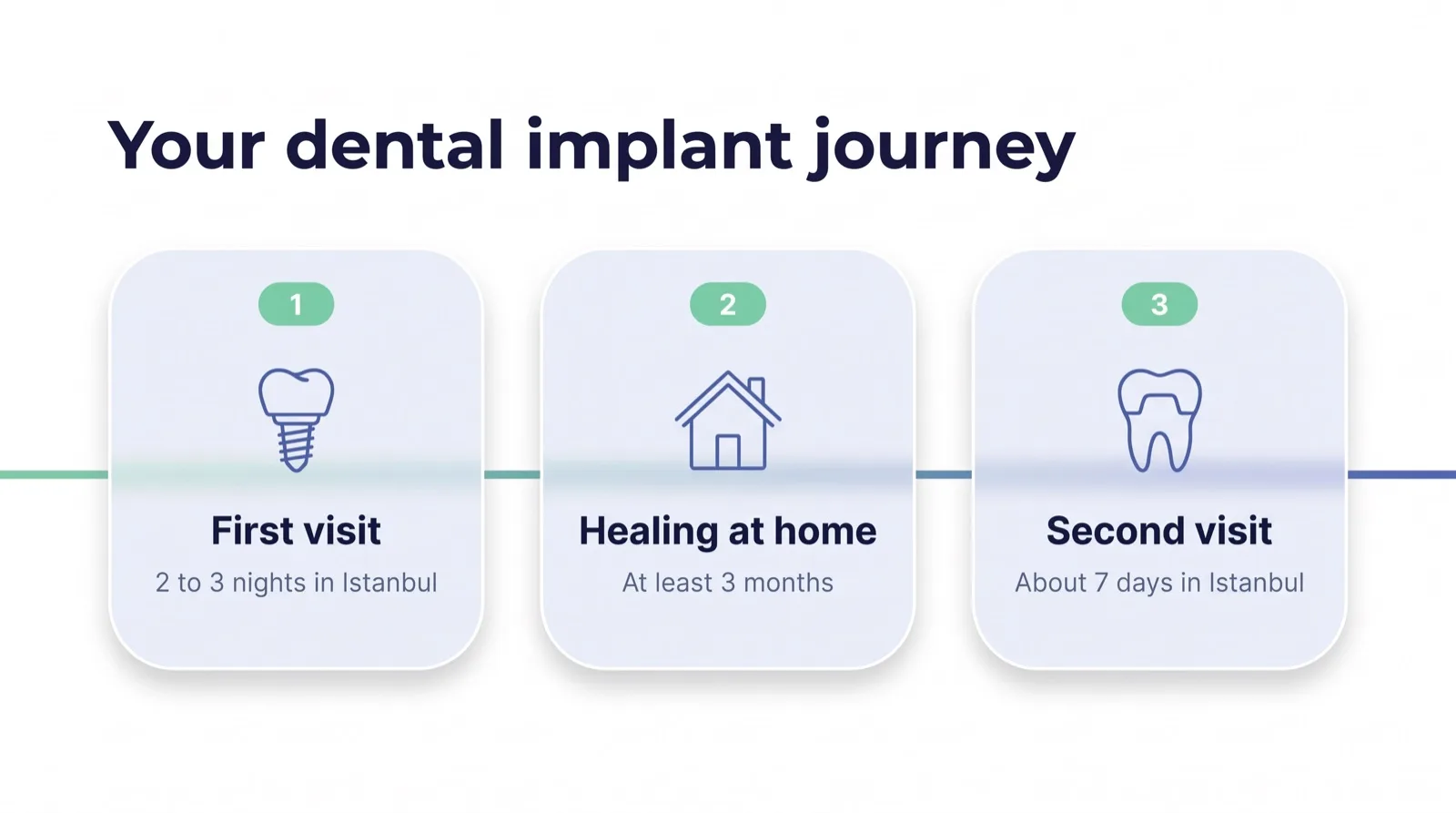
A safe treatment plan leaves enough time for healing. A typical implant journey looks like this:
| Stage | What happens | Typical timing |
|---|---|---|
| First visit | Examination, CBCT scan, implant placement | 2 to 3 nights in Istanbul |
| Healing at home | The implants fuse with the jawbone | At least 3 months |
| Second visit | Checks, impressions and fitting of the final crowns or bridge | About 7 days in Istanbul |
Be cautious about any offer that promises permanent teeth on new implants in a single short trip without a clear clinical reason.
A very low price may mean fewer implants, unbranded components or a second visit that is not included. Compare packages line by line, including the implant brand, the final tooth material, accommodation, transfers and follow-up care.
For the first days, you will usually be advised to eat soft foods, avoid smoking and alcohol, rinse gently as instructed and take your prescribed medication. Following these instructions closely is one of the most effective ways to protect your implants.
Early follow-up should follow your surgeon’s written plan, including any wound or stitch review that is needed. During the first three months, the implants are healing within the jawbone. Keep the area clean and do not wait for the second trip if symptoms need an in-person assessment. [7]
If anything unusual happens, such as pain that gets worse, swelling that keeps increasing or bleeding that does not stop, contact Esvita Clinic’s medical consultants straight away by WhatsApp or phone. They can arrange an online meeting with your doctor if needed. Clinical checks then take place at the clinic during your second visit.
Esvita Clinic stays in touch with you online in the years after treatment as well. Whenever you are in Turkey, you are welcome to visit the clinic for free imaging and a check-up with your doctor. The door is always open, for a check-up and a coffee.
Contact your clinic straight away if you notice pain that gets worse after the third day, swelling that keeps increasing, pus, a fever or an implant that feels loose. Send clear photos so the team can assess the situation. If symptoms are severe, seek urgent care locally through NHS 111 or an emergency dentist. Understanding how long dental implants last, and what affects their lifespan, can also help you spot problems early.
The cheapest offer is rarely the best value if it leads to complications or replacement treatment later. Clinical quality, qualified dentists, recognised implant brands and enough healing time are what protect your investment in the long term.
| What to ask | Why it matters |
|---|---|
| Who will place my implants and who will make my teeth? | Shows the team’s experience and specialisation |
| Which implant brand will be used? | Recognised brands make future repairs easier anywhere |
| Will I receive my CBCT scan and implant details? | Your UK dentist will need these records |
| What does the guarantee cover, in writing? | Clarifies responsibilities if something goes wrong |
| How does follow-up work after I go home? | Most of your healing happens away from the clinic |
Esvita Clinic’s implants come with a lifetime guarantee, and patients receive their treatment details so that any dentist can identify the implant system in the future.
“The first question I ask is not where the patient wants to be treated, but how well their case has been planned. A 3D scan, an honest discussion of the risks and a clear plan for follow-up at home matter more than the country on the map.”
Esvita Clinic Head of Dentistry
They can be, provided the clinic is licensed, the dentists are qualified and treatment is planned with 3D imaging and enough healing time. The surgical risks are the same in both countries. The main difference is distance, which makes clear follow-up arrangements essential.
Ask for the dentist’s full name, degree and any specialist training, then check that they are registered with their regional dental chamber, part of the Turkish Dental Association. A trustworthy clinic will share this information without hesitation.
Contact the clinic first and share photos or X-rays. The team will assess the problem and plan the next steps, which may include treatment during a follow-up visit. At Esvita Clinic, implants are covered by a lifetime guarantee, so it is worth keeping your treatment records and attending your planned check-ups.
Sources accessed on 28 October 2026. Reference numbers in the text link to the source pages.
4. Cambridge University Hospitals NHS Foundation Trust. Insertion of dental implants.
7. Cambridge University Hospitals NHS Foundation Trust. Dental implants in restorative dentistry.
8. European Federation of Periodontology. Peri-implant diseases.

As our basic philosophy, we prioritize the long-term happiness and
satisfaction of our patients above all else.


Contact with our experts and learn about your options! Or fill the form right side and we will call you