

















Which Hair Transplant Clinic in Turkey Has the Best Aftercare?

There is no single objective "best" hair transplant clinic for aftercare. What matters is whether a clinic gives you clear recovery instructions, easy access to its team after the procedure, real follow-up while your new hair grows and a plan for what happens if something does not go as expected. These are things you can check before you book.
This guide explains what good aftercare includes, how long it should last, what to ask each clinic and how to compare them, so you can make the decision on facts rather than on adverts.
Key facts
- Compare clinics on written instructions, the first wash, follow-up length, contact channels and how complications are handled.
- Most of your recovery happens after you fly home, so remote follow-up matters as much as your days in Turkey.
- New hair usually starts to grow around month 3 or 4, and the final result can take 12 to 18 months.
- The NHS advises checking what aftercare is provided, and what happens if there are complications, before you travel for treatment.[1]
- At Esvita Clinic, the first wash and first check take place at the clinic the day after the procedure, followed by a 12-month online follow-up programme and a written 12-month warranty.
What Does Good Hair Transplant Aftercare Include?
Good hair transplant aftercare starts before you leave the operating room and continues until your final result. Our hair transplant aftercare guide covers the day-to-day steps in detail; here are the elements every clinic should provide.
Postoperative Instructions and Graft Protection
For the first days, the new grafts are fragile. You should receive written instructions on how to sleep, how to avoid knocking or scratching the recipient area, when you can wear a hat and how to protect your scalp from the sun. Verbal advice alone is easy to forget once you are home.
First Wash and Scalp Care
The first wash removes blood and crusts without dislodging grafts. Many clinics carry it out themselves so they can check the grafts and show you the technique. Ask who does the first wash, when it happens and which products you will use at home.
Medication and Activity Guidance
You should know which medication to take and for how long, which painkillers are suitable, and when you can return to work, exercise, swimming and alcohol. Clear timings prevent the most common mistakes in the first two weeks.
What Support Should Be Available During the First Week?
Swelling and Early Healing
Swelling of the forehead and around the eyes is common around days two to four, and small scabs form on the grafts. A clinic should tell you what is normal, how to reduce swelling and when it should settle.
Questions About Washing and Sleeping
Most questions in the first week are practical: can I sleep on my side, how hard can I press when washing, is this itching normal? Check that you can send a message or photo and get an answer from someone who knows your case.
When Symptoms Require Medical Review
Increasing pain, spreading redness, pus, a fever or bleeding that does not stop need a doctor's review. The clinic should explain these warning signs in advance and tell you who to contact, both in Turkey and after you return home.
How Long Should Hair Transplant Aftercare Continue?
The First Two Weeks
This is the most delicate period. Scabs usually fall off within 10 to 14 days, and you gradually return to normal washing and daily life.
Early Hair Growth and Shedding
Between weeks two and eight, many transplanted hairs shed. This is expected: the follicles stay under the skin and start a new growth cycle. Some patients also notice temporary thinning of their existing hair, often called shock loss. Good aftercare prepares you for this so you do not worry unnecessarily.
Follow-Up During the Following Months
New hair usually appears around month 3 or 4, becomes visibly thicker between months 6 and 9, and matures over 12 to 18 months. Follow-up during these months lets the team track your progress and spot problems such as folliculitis or slow growth early.
What Happens After You Return Home From Turkey?
Remote Follow-Up and Progress Photos
Ask whether the clinic asks for photos at set points and whether a doctor reviews them. Regular photos are also the best way for you to see your own progress.
Communication With the Clinic
Find out which channels you can use (WhatsApp, phone or email), who answers, in which language and how quickly. A named contact person makes a real difference.
When Local Medical Assessment May Be Required
Some problems need to be seen in person. Before you travel, tell your GP about your plans; the NHS notes that your GP may be involved in your care afterwards.[1] If you develop severe symptoms at home, contact the clinic and seek local medical care straight away.
What Should You Ask About Aftercare Before Booking a Hair Transplant?
Who Will Handle Follow-Up Questions?
A patient coordinator, a nurse or a doctor? Ask how cases are passed to a doctor when needed.
Is Doctor Follow-Up Available?
Ask whether you can speak to a doctor online if you have a concern after returning home.
How Long Does Support Continue?
Ask whether follow-up continues until your final result, or ends after the first weeks.
What Happens If a Complication Develops?
Ask how complications are assessed, what treatment is offered, whether there is a written warranty and what it does and does not cover.
How Can You Compare Hair Transplant Clinics Based on Aftercare?
Ask each clinic the same questions and compare the answers side by side.
Written Recovery Instructions
A good clinic gives you a written plan that covers washing, sleeping, medication, sun protection and exercise, in a language you understand. Written instructions are easier to follow at home than advice given once on the day of surgery.
Follow-Up Accessibility
Check that you have a named contact, clear channels such as WhatsApp, phone or email, and a realistic response time, including at weekends during the first weeks.
Clear Responsibilities After Returning Home
You should know what the clinic can handle remotely, when it will ask to see photos and when it will advise you to see a doctor locally.
Long-Term Communication
Ask whether follow-up continues through the growth months, ideally until your final result, rather than ending after the first two weeks.
Does Hair Transplant Technique Affect Aftercare?
FUE and Sapphire FUE Recovery
FUE and Sapphire FUE require shaving, so the donor and recipient areas are both visible while they heal. Aftercare focuses on protecting the recipient area and keeping the donor area clean while the small extraction points close.
DHI Hair Transplant Recovery
DHI places grafts with implanter pens and can be done without shaving the recipient area. Existing hair can hide the treated area, but it also means washing must be extra gentle so that long hair does not pull on new grafts. Read more in our guide to unshaven hair transplants.
How Can Aftercare Affect Long-Term Hair Transplant Results?
Protecting Grafts During Early Healing
Grafts are most vulnerable in the first days. Following washing and sleeping instructions protects them while they anchor in the scalp.
Managing Ongoing Natural Hair Loss
Transplanted hair comes from areas that are resistant to pattern hair loss, but your existing hair can continue to thin. Long-term care, and sometimes medical treatment, helps keep the overall result balanced. Learn more about how long a hair transplant lasts.
What Hair Transplant Aftercare Does Esvita Clinic Provide?
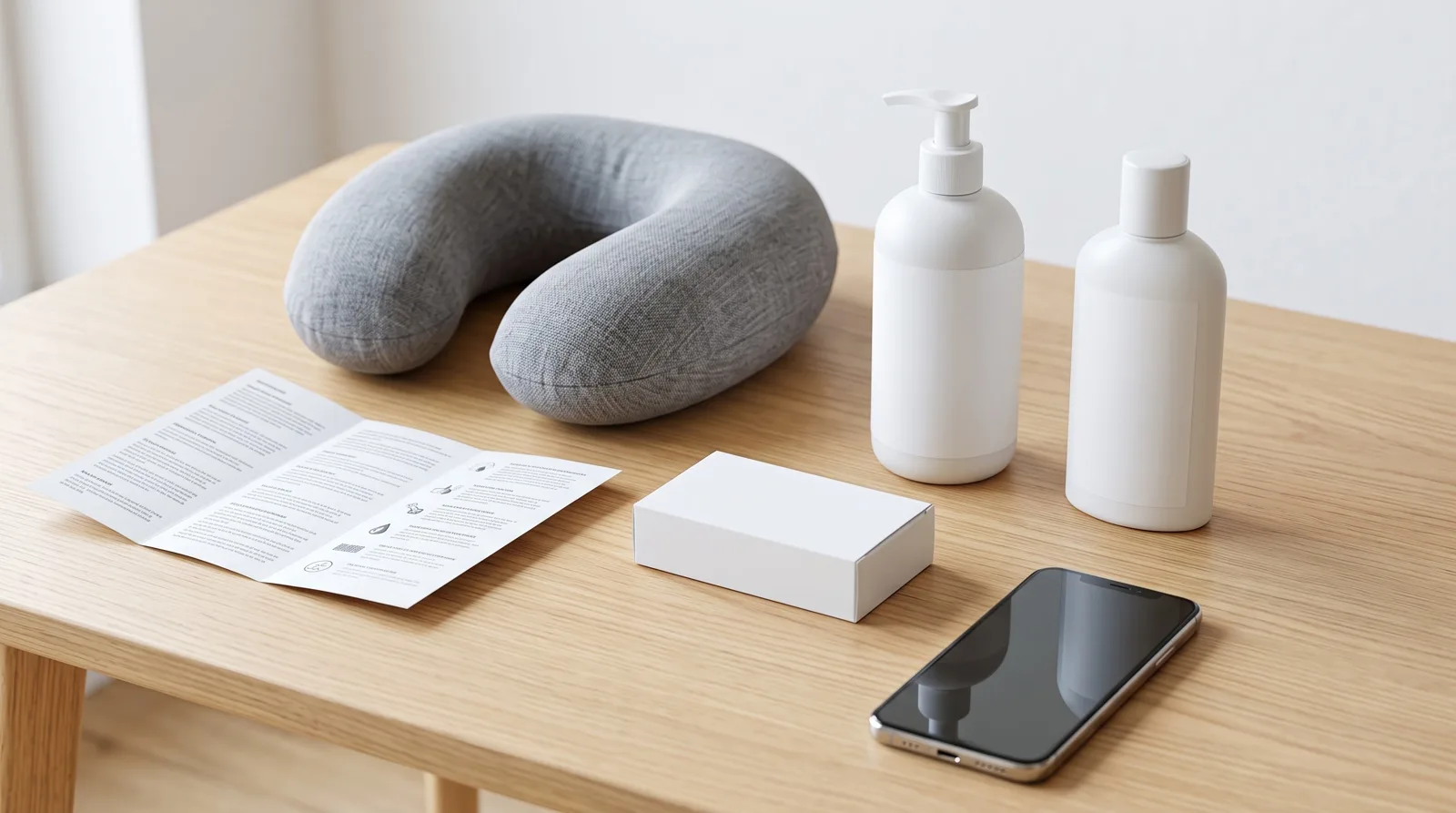
At Esvita Clinic, aftercare starts in Istanbul and continues after you go home:
- Day after the procedure: the first wash and first check are carried out at the clinic, and the team shows you how to wash at home.
- Included in the package: medication, a special shampoo set, a neck pillow and one PRP session, together with hotel accommodation, transfers and a medical interpreter.
- Online follow-up: a 12-month follow-up programme, with frequent check-ins in the first month and monthly check-ins after that. Once the programme ends, you can still contact the team whenever you need support.
- Contact: you can reach the Esvita Clinic team by WhatsApp and phone with questions or photos during your recovery.
- Warranty: a written 12-month hair transplant warranty. If follicles fail to grow and the aftercare instructions were followed, a corrective procedure is offered at no additional operational cost. Travel and accommodation are not covered.
Whether a clinic is right for you depends on your own assessment and needs, so ask every clinic the same questions and compare the answers in writing.
Frequently Asked Questions About Hair Transplant Aftercare in Turkey
How Long Should a Clinic Provide Hair Transplant Aftercare?
Ideally until your final result, which can take 12 to 18 months. The first two weeks need the closest support, but follow-up during the growth months helps catch problems early.
What Happens If I Have a Problem After Returning to the UK?
Contact your clinic first and send clear photos. If symptoms are severe, such as fever, spreading redness or pus, see a doctor locally straight away. Tell your clinic what the local doctor advised.
Is Hair Transplant Aftercare Usually Included in the Treatment Price?
Often, but what is included varies. Ask for a written list covering the first wash, medication, products, follow-up and any warranty before you book.
Sources
1. NHS. Going abroad for medical treatment and treatment abroad checklist. nhs.uk/using-the-nhs/healthcare-abroad/going-abroad-for-treatment/